Switzerland is famous for its mountains, lakes and picturesque villages, but there is another part of the Swiss experience that deserves just as much attention: its railway system.
The Swiss train system is one of the most efficient and convenient ways to explore the country. Trains connect major cities, mountain destinations and small villages, often while taking you through some of the most spectacular landscapes in Switzerland.
For first-time visitors, however, understanding how Swiss trains work can make your journey much easier.
Why Travel by Train in Switzerland?
Travelling by train is one of the best ways to discover Switzerland.
The railway network connects practically every major destination, and many routes offer spectacular views of lakes, mountains, forests and traditional Swiss villages.
You can often reach places without needing to rent a car, making train travel particularly convenient for international visitors.
How Do Swiss Trains Work?
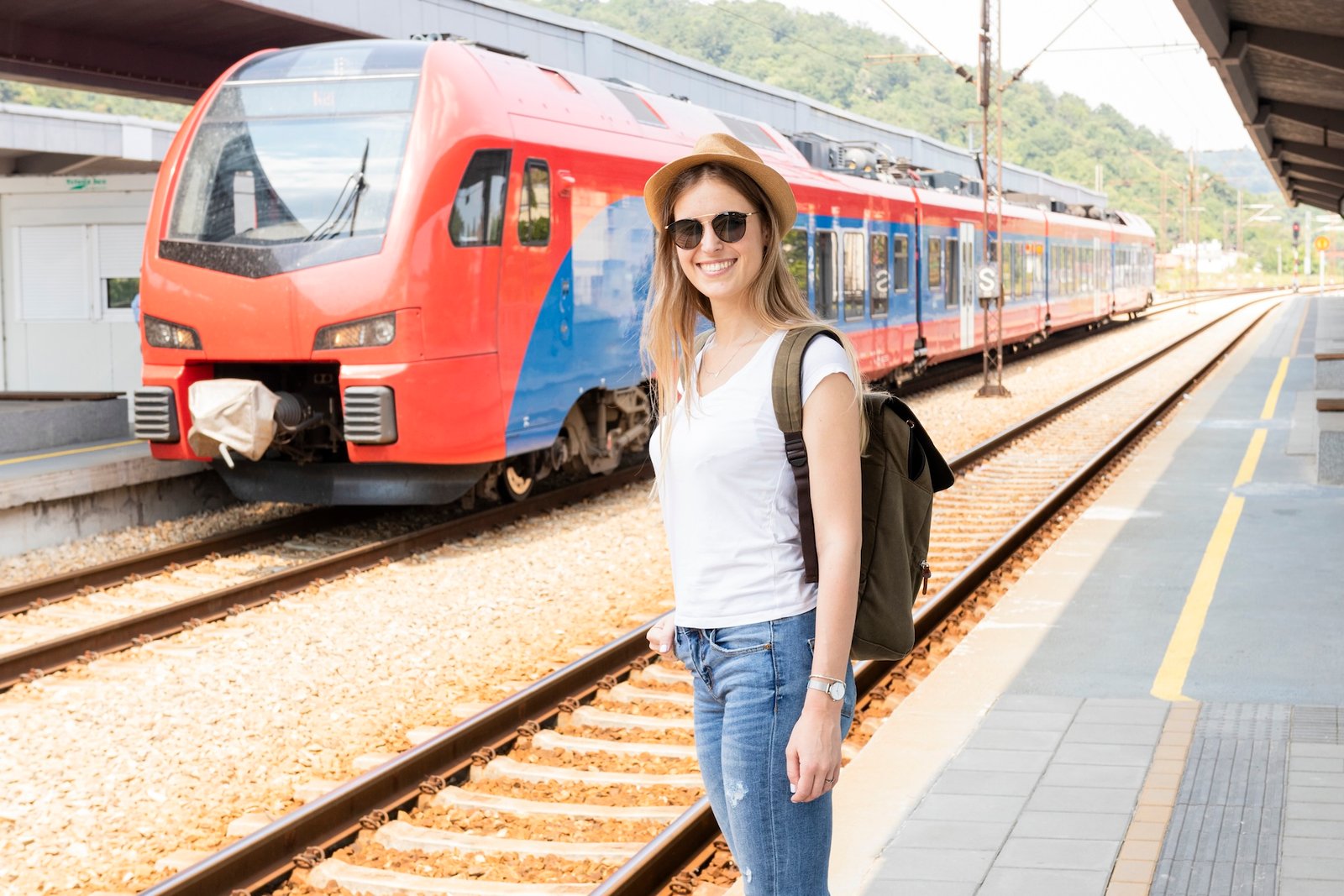
Swiss trains are generally easy to use.
At major stations, electronic boards display departures, destinations, platforms and delays. Most stations also have clear signs and information in several languages.
Trains usually operate according to a regular timetable, making it easy to plan connections between cities and destinations.
One important thing to remember is that Swiss trains generally leave on time. Arriving at the platform a few minutes before departure is always a good idea.
Do You Need to Reserve a Seat?
For most regular Swiss trains, you do not need to reserve a seat.
You can simply buy a valid ticket and board the train. Seat reservations are more common on certain scenic or international services, so it is worth checking the requirements for your specific journey.
If you are travelling as a group and want to sit together, arriving a little earlier can make finding seats easier.
First Class or Second Class?
Swiss trains generally offer two travel classes: First Class and Second Class.
Second Class is comfortable and is the most common choice for tourists.
First Class usually offers more spacious seating and a quieter environment. Whether the upgrade is worthwhile depends on your preferences and the length of your journey.
For most travellers, Second Class provides an excellent balance between comfort and price.
What Is the Swiss Travel Pass?
The Swiss Travel Pass is a popular option for visitors planning to use public transportation extensively during their trip.
Depending on the type of pass and its validity period, it can provide access to trains, buses and boats, as well as additional benefits for certain mountain excursions and museums.
Whether it is worth buying depends on your itinerary, so compare the cost of individual tickets with the pass before making a decision.
How to Buy Train Tickets in Switzerland
Train tickets can be purchased through official railway services, ticket machines and station ticket counters.
You can also plan journeys and check timetables online or through mobile apps.
For simple journeys, buying a ticket shortly before departure is often convenient. However, if you are planning a complex itinerary or travelling during a particularly busy period, planning ahead can make your journey more comfortable.
Don’t Miss Switzerland’s Scenic Train Routes
For many visitors, the journey itself is just as important as the destination.
Switzerland has several famous scenic railway routes that pass through spectacular Alpine landscapes.
Depending on your itinerary, you may have the opportunity to experience panoramic views, mountain passes, dramatic valleys and beautiful lakes directly from your train window.
This is one of the reasons train travel in Switzerland is much more than simply getting from one city to another.
Trains, Buses, Boats and Mountain Railways
Switzerland’s public transport network goes far beyond trains.
Many destinations are connected through a combination of:
- Trains
- Buses
- Boats
- Cable cars
- Funiculars
- Mountain railways
This integrated network makes it possible to travel from a major city to a remote Alpine village using several different forms of transportation.
And often, the connections are designed to work together seamlessly.
A Few Tips for First-Time Visitors
If this is your first time travelling by train in Switzerland, keep these simple tips in mind:
Check your platform: Platforms can change, so check the departure board before boarding.
Arrive early: You do not need to arrive extremely early, but being at the platform a few minutes before departure is recommended.
Keep your ticket accessible: Have your ticket or pass ready in case it is checked during the journey.
Watch your connection: Swiss connections can be short, so know where your next platform is before getting off the train.
Enjoy the view: Some of the best scenery in Switzerland can be seen from a train window.
Is the Swiss Train System Worth Using?
Absolutely.
For many travellers, trains are the easiest, most comfortable and most scenic way to explore Switzerland.
Instead of worrying about parking, mountain roads or navigating unfamiliar traffic, you can sit back and enjoy the landscape.
Whether you are travelling between Zurich and Lucerne, heading towards the Alps or exploring smaller towns, the Swiss railway system can become an important part of your travel experience.
Ready to Explore Switzerland by Train?
The best Swiss journeys are not always about reaching a destination as quickly as possible.
Sometimes, the journey itself is the experience.
At Lincoln Swiss Tours, we help travellers discover Switzerland through scenic journeys, Alpine landscapes, local experiences and carefully planned adventures.
Explore Switzerland beyond the postcards.
Frequently Asked Questions
About the Swiss Train System
Is the Swiss train system easy to use?
Yes. The Swiss train system is generally very easy to use, with clear timetables, well-organised stations and frequent connections between cities, towns and tourist destinations.
Do I need to book Swiss train tickets in advance?
For most regular Swiss trains, you can buy a ticket shortly before travelling and do not need to reserve a seat. Some international and special scenic services may have different requirements.
Are Swiss trains usually on time?
Yes. Switzerland is well known for its reliable railway network and punctual train services. It is still recommended to arrive at the platform a few minutes before your scheduled departure.
Is the Swiss Travel Pass worth it?
It depends on your itinerary. The Swiss Travel Pass can be useful for travellers planning to use trains, buses and boats frequently. Compare the cost of the pass with individual tickets based on your planned journeys.
What is the difference between First Class and Second Class on Swiss trains?
Second Class is comfortable and is the most common choice for travellers. First Class generally offers more spacious seating and a quieter environment, but it costs more.
Can I travel around Switzerland without renting a car?
Yes. Switzerland has an extensive public transport network connecting major cities, towns, villages and mountain destinations. Trains, buses, boats and mountain railways make it possible to explore much of the country without a car.
Are Swiss trains expensive?
Train travel in Switzerland can be relatively expensive compared with some other European countries. However, travel passes, regional tickets and careful itinerary planning can help reduce the overall cost.
Are there scenic train routes in Switzerland?
Yes. Switzerland has several famous scenic railway routes offering spectacular views of the Alps, lakes, valleys and traditional villages. For many travellers, these journeys are an attraction in themselves.