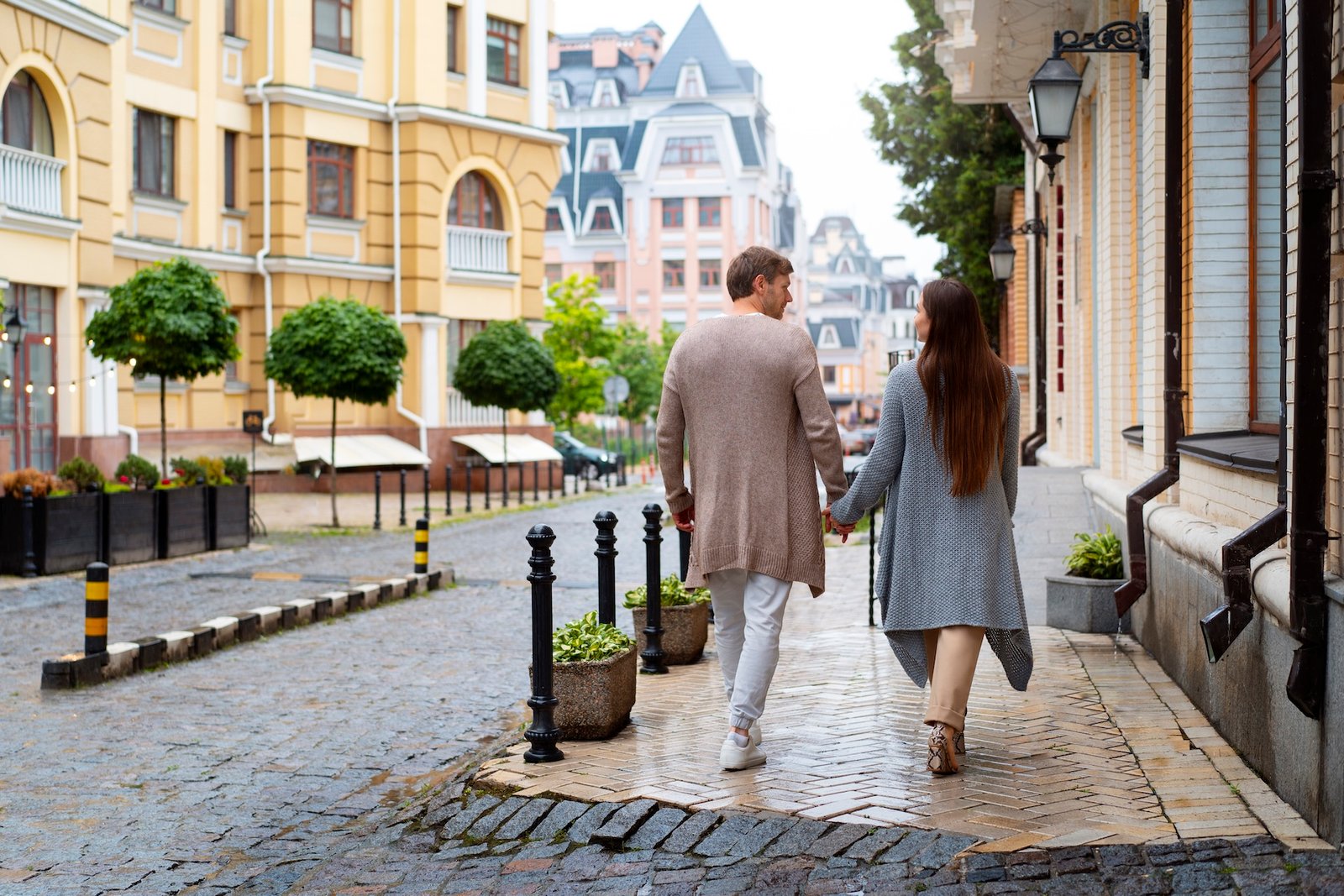

Switzerland is known for its safe roads, reliable public transport and respect for traffic rules. For visitors, however, some road rules and pedestrian habits may be different from what you are used to at home.
Whether you are walking through a historic city centre, crossing a busy street in Zurich or exploring a small Alpine village, understanding the basic traffic rules in Switzerland will help you stay safe and travel with confidence.
Always Use Pedestrian Crossings
One of the most important rules for pedestrians in Switzerland is to use designated pedestrian crossings whenever they are available.
Swiss drivers generally pay close attention to pedestrian crossings, and pedestrians are expected to cross at marked crossings rather than randomly crossing the road.
Before crossing, make sure approaching vehicles have seen you and are slowing down.
Look Before You Cross
Even when you have priority at a pedestrian crossing, always look both ways before stepping onto the road.
Never assume that a driver has seen you, particularly when:
- A vehicle is turning
- Visibility is limited
- The road is wet or slippery
- You are crossing near a bicycle or tram lane
Being predictable and alert is one of the best ways to stay safe.
Be Careful Around Trams and Bicycles
Trams are an important part of public transportation in many Swiss cities and can operate very close to pedestrian areas.
Always look carefully for trams before crossing their tracks and never walk onto the tracks without checking for approaching vehicles.
Bicycles and e-bikes are also common, particularly in larger cities. Pay attention to dedicated cycling lanes and avoid walking in them whenever possible.
Pedestrians Should Follow Traffic Lights
At intersections with pedestrian traffic lights, always follow the signal.
A green pedestrian light means you may cross, while a red light means you should wait.
Even if the road appears completely empty, crossing against a red light is not a good habit in Switzerland — and can be particularly dangerous at larger intersections.
Don’t Walk on Bicycle Lanes
Many Swiss cities have dedicated lanes for bicycles.
If you are walking, keep to the pedestrian area or pavement and avoid bicycle lanes. This is especially important in busy urban areas, where cyclists and e-bikes can move quickly and quietly.
Walking in Swiss Towns and Villages
Outside the major cities, you may find roads without traditional pavements, especially in smaller villages and Alpine areas.
Stay alert, walk on the safest available side of the road and give vehicles plenty of space.
When walking on rural roads, reflective clothing or a small light can also improve your visibility after dark.
Switzerland Is Very Pedestrian-Friendly
The good news is that Switzerland is generally an easy country to explore on foot.
Cities, towns and tourist destinations are well connected, and many attractions can be reached by walking or public transportation.
The key is simply to respect the local traffic rules, stay aware of your surroundings and remember that pedestrians, cyclists, cars, trams and trains often share relatively small spaces.
A Simple Rule to Remember
Stop. Look. Listen. Then cross.
Taking a few extra seconds can make a big difference — especially when you are unfamiliar with the local roads.
Planning Your Swiss Adventure?
From vibrant cities to peaceful Alpine villages, Switzerland is best experienced when you take the time to explore beyond the main tourist attractions.
At Lincoln Swiss Tours, we help travellers discover Switzerland through carefully planned experiences, scenic journeys and unforgettable moments.
Explore Switzerland beyond the postcards.
Frequently Asked Questions
About Traffic Rules in Switzerland
Do pedestrians have priority at crossings in Switzerland?
Yes. Pedestrians generally have priority at marked pedestrian crossings, but they should still make sure approaching vehicles have seen them before crossing.
Do I need to use a pedestrian crossing in Switzerland?
When a pedestrian crossing is available nearby, you should use it rather than crossing the road at an arbitrary point. Using designated crossings is safer and follows normal Swiss traffic practices.
Can I cross the road when the pedestrian light is red in Switzerland?
You should wait for the pedestrian signal to turn green. Even when there is no traffic, pedestrians are expected to follow traffic lights.
Are Swiss roads safe for pedestrians?
Yes. Switzerland generally has well-maintained roads, clearly marked crossings and a strong culture of following traffic regulations. However, pedestrians should always remain attentive, particularly around trams, bicycles and busy intersections.
Are there bicycle lanes in Swiss cities?
Yes. Many Swiss cities have dedicated bicycle lanes. Pedestrians should avoid walking in these lanes and stay in designated pedestrian areas.
What should tourists know about trams in Switzerland?
Trams operate in many Swiss cities and can share roads and intersections with pedestrians. Always check carefully for approaching trams before crossing tracks and follow traffic signals.
Is it safe to walk in Swiss villages and rural areas?
Generally, yes, but some smaller roads may have limited or no pedestrian pavements. Stay alert, keep a safe distance from vehicles and take extra care when walking after dark.
What is the most important pedestrian rule in Switzerland?
The simplest rule is to stay alert: use pedestrian crossings, obey traffic lights, watch for vehicles and trams, and avoid bicycle lanes. A few seconds of attention can help keep you safe while exploring Switzerland.